
Introduction
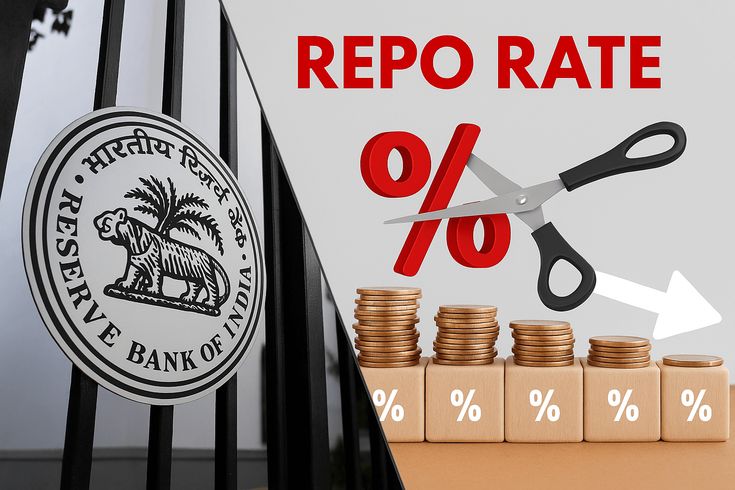
The Reserve Bank of India (RBI) plays a central role in shaping the country’s economy through its monetary policy decisions. Among the various tools at its disposal, the repo rate is perhaps the most widely watched. In 2025, the RBI announced a hike in the repo rate, sparking discussions across financial markets, households, and businesses.
The RBI Repo Rate Hike 2025 directly affects how much you pay on your loans, how much you earn on your deposits, and even the broader health of the Indian economy. Whether you’re a salaried individual paying home loan EMIs, a business seeking funds, or a saver looking for better returns, this change has real consequences.
In this article, we’ll break down what the repo rate is, why the RBI increased it in 2025, and how it impacts loans, EMIs, savings, and investments. We’ll also explore strategies to manage your money effectively in this changing financial environment.

What is the RBI Repo Rate?
The RBI repo rate is the rate at which the RBI lends money to commercial banks in India. When banks need short-term funds, they borrow from the RBI at this rate. It is a critical tool for controlling inflation and ensuring liquidity in the financial system.
- Repo Rate Definition: The interest rate charged by the RBI when lending funds to banks against government securities.
- Reverse Repo Rate: The opposite of repo, this is the rate at which banks park their surplus funds with the RBI.
- Purpose: By changing the repo rate, RBI influences the overall cost of borrowing in the economy.
For example:
- If repo rate rises → borrowing becomes costlier → banks increase loan rates → demand for credit falls → inflation cools.
- If repo rate falls → borrowing becomes cheaper → banks reduce loan rates → businesses and individuals borrow more → economic growth picks up.
The repo rate acts like a steering wheel for the economy—guiding growth and inflation in the right balance.
RBI Repo Rate Hike 2025 – Key Highlights
In its latest monetary policy announcement, the RBI increased the repo rate in 2025. Let’s look at the key highlights:
- Repo Rate Hike: The RBI raised the repo rate by 0.25% (25 basis points), taking it from 6.25% to 6.50%.
- Reasoning: Persistent inflationary pressures, higher crude oil prices, and global monetary tightening prompted the decision.
- Inflation Targeting: The RBI is mandated to keep inflation at around 4%, with a tolerance band of 2–6%. Rising prices of food and fuel created concerns.
- Growth Outlook: Despite strong GDP growth, RBI prioritized inflation control to maintain long-term stability.
This move was largely expected by analysts, though it still signals a cautious stance by the central bank.
Why Did RBI Hike the Repo Rate in 2025?
The decision was driven by several economic factors:
Inflation Concerns:
- Food inflation surged due to erratic monsoons.
- Fuel and energy costs rose amid global supply issues.
- Core inflation (excluding food & fuel) remained sticky.
Global Trends:
- The US Federal Reserve continued tightening rates.
- Global bond yields rose, pressuring emerging market currencies.
- To maintain rupee stability, RBI had to act.
Fiscal Challenges:
- Higher government borrowing for infrastructure projects.
- Widening fiscal deficit risks.
Balancing Growth vs. Inflation:
- RBI had to ensure economic growth continues without runaway inflation.
- Past experience shows unchecked inflation erodes purchasing power and savings.
In short, the hike was a preventive step to anchor inflation expectations and maintain financial stability.
Impact on Loans & EMIs
The most direct effect of the RBI Repo Rate Hike 2025 will be seen in loans and EMIs. Since banks borrow from the RBI at the repo rate, they pass on the higher cost to borrowers.
Home Loans
- Most home loans today are linked to the External Benchmark Lending Rate (EBLR), often tied to repo rate.
- Even a 0.25% hike can significantly raise EMIs.
- Example: A ₹30 lakh loan for 20 years at 8.25% → after 0.25% hike to 8.50%, the EMI rises by about ₹450/month.
Personal Loans & Credit Cards
- Personal loans, car loans, and credit card dues are highly sensitive to interest rate changes.
- Borrowers will see higher monthly payments almost immediately.
- Revolving credit card users face the steepest increase.
Auto Loans
- Car loans are likely to become costlier.
- Demand for big-ticket purchases may cool slightly.
Student Loans
- Education loan borrowers may also face higher repayment costs, though some banks may offer relief in moratorium periods.
Bottom line: Borrowers with floating-rate loans should prepare for higher EMIs.
Not all news is bad—the repo rate hike also benefits savers.
Fixed Deposits (FDs)
- Banks typically raise FD rates after a repo rate hike.
- Senior citizens especially benefit as FD rates move towards 7–8%.
- This provides safe investment opportunities.
Savings Accounts
- Some banks revise savings deposit rates upwards, though the change is modest.
- Digital-first banks may offer higher yields to attract customers.
Mutual Funds & Stock Market
- Debt Funds: Bond yields rise, so debt mutual funds (short-term) may benefit.
- Equity: Higher borrowing costs can slow corporate profits, creating stock market volatility.
- Banking Sector Stocks: Often benefit from rising interest spreads.
Gold & Real Estate
- Gold: May see demand rise as a hedge against inflation.
- Real Estate: Higher loan rates may temporarily dampen demand for housing.
Thus, while borrowers pay more, savers stand to gain.
Impact on Businesses & Economy
Businesses are also affected:
- Cost of Borrowing: Higher repo rate means higher cost for working capital loans.
- MSMEs: Smaller businesses face tighter margins and higher costs.
- Large Corporates: Expansion plans may slow down.
- Exports & Imports: A stable rupee helps exporters, but higher costs may affect competitiveness.
In the long run, controlling inflation helps create a healthier business environment.
What Should Borrowers Do Now?
Existing Loan Borrowers
- Consider part-prepayments to reduce loan burden.
- Evaluate switching to a fixed rate loan if EMIs become unmanageable.
- Maintain a disciplined monthly budget.
New Loan Applicants
- Compare interest rates across banks.
- Negotiate processing fees and tenure.
- Assess affordability with higher EMI expectations.
Credit Card Users
- Pay off dues in full to avoid higher interest accumulation.
- Avoid unnecessary borrowing in a high-rate environment.
How Savers Can Benefit
- Lock FD Rates: Act quickly to capture higher fixed deposit rates.
- Diversify Investments: Balance between equity, debt, and gold.
- Emergency Funds: Keep some funds liquid in high-interest savings.
This is a good time for conservative savers to strengthen their portfolios.
Expert Opinions & Market Reactions
Financial experts largely welcomed the RBI’s move.
- Economists believe the hike will help anchor inflation expectations.
- Stock markets initially reacted with caution, but banking sector stocks gained.
- Analysts expect at least one more rate hike if inflation doesn’t moderate.
Conclusion
The RBI Repo Rate Hike 2025 is a reminder of how monetary policy decisions directly affect our lives. For borrowers, it means higher EMIs and costlier loans. For savers, it brings better returns on deposits. For the economy, it represents a balancing act between growth and inflation.
As an individual, the best approach is to stay informed, plan your finances smartly, and make the most of the opportunities a changing interest rate environment creates.
