
Introduction
Money management is a life skill every beginner in India must learn. In 2025, rising living costs, rapid digitalization, and increasing financial products make it more important than ever to start smart. If you are a student, young professional, or someone just starting your financial journey, you might wonder: “How do I budget my salary?”, “Where should I invest?”, or “How do I avoid debt?”
This guide covers the 10 Smart Finance Tips for Beginners in India that will help you save more, invest wisely, and avoid financial mistakes. Follow these tips consistently, and you can build a strong foundation for long-term wealth.

Why Smart Finance Tips Matter for Beginners
India is growing as one of the fastest economies in the world, but beginners often lack financial literacy. Here’s why finance tips matter:
- Prevents debt and overspending.
- Helps create financial security through savings.
- Builds wealth through early investments.
- Encourages smarter decisions with money management.
By starting early, beginners can avoid the mistakes that many make later in life.
10 Smart Finance Tips for Beginners in India (2025)
1. Create a Monthly Budget and Track Every Rupee
Budgeting is the first step in smart money management. Beginners often spend without knowing where their money goes.
- Use the 50/30/20 rule: 50% needs, 30% wants, 20% savings.
- Free tools: Walnut, MoneyView, Excel sheets.
- Example: If you earn ₹30,000/month → ₹15,000 for needs, ₹9,000 for wants, ₹6,000 for savings.
Budgeting ensures discipline and helps avoid overspending.

2. Build an Emergency Fund First
Life is unpredictable, and unexpected expenses can ruin your finances.
- Save 3–6 months of living expenses in a separate account.
- Store it in savings account or liquid mutual funds for easy access.
- Helps during job loss, medical emergencies, or urgent expenses.
Without an emergency fund, beginners are forced into debt.

3. Avoid Lifestyle Inflation Early
When your income increases, your expenses often increase too. This is lifestyle inflation.
- Save first, then spend the increment.
- Example: If your salary increases by ₹5,000, invest at least ₹3,000 before upgrading lifestyle.
- This habit builds wealth faster.

4. Learn the Basics of Credit & Debt
Credit cards and loans can be useful but dangerous if misused.
- Always pay credit card bills in full → avoid 36–40% interest.
- Keep your CIBIL score above 750 for cheaper loan approvals.
- Use loans only for assets (home loan, education), not liabilities (vacations, gadgets).
Smart credit management helps beginners build trust with banks.

5. Start Investing Early (Even Small Amounts)
Beginners often wait until they earn more before investing—but this is a mistake.
- Start with small SIPs (₹500–₹1,000).
- Best options for beginners:
- Mutual Fund SIPs
- Index Funds (Nifty 50, Sensex)
- Public Provident Fund (PPF)
- Power of compounding: ₹5,000 invested monthly at 12% can become ₹1.1 Crore in 25 years.
The earlier you start, the less you need to invest later.

6. Save Taxes Smartly (Section 80C & 80D)
Many beginners pay more taxes than required.
- Under 80C, save up to ₹1.5 lakh/year using ELSS, PPF, LIC.
- Under 80D, save by purchasing health insurance.
- Tax planning increases savings and reduces financial stress.
Example: Investing ₹1.5 lakh in ELSS can save up to ₹46,800 in taxes.

7. Limit EMI Commitments to Less Than 30% of Income
Beginners often fall into debt traps by taking too many EMIs.
- Rule: EMIs ≤ 30% of income.
- Example: If you earn ₹40,000 → all EMIs should not exceed ₹12,000.
- Avoid personal loans and high-interest credit EMIs.
Keeping EMIs low ensures financial freedom.

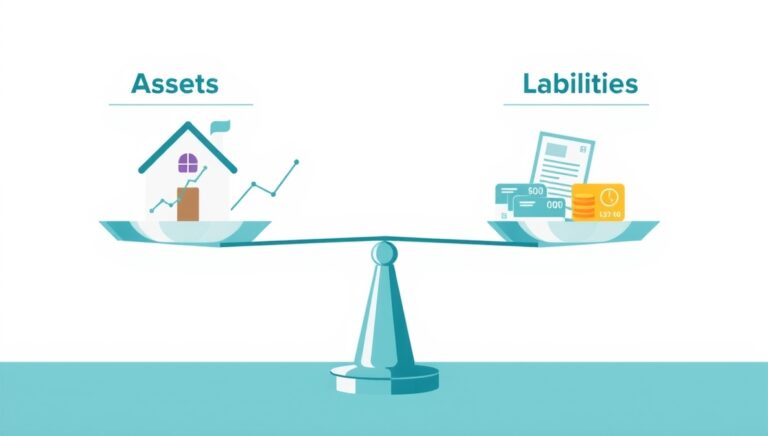
8. Differentiate Between Assets and Liabilities
Understanding this difference is key to building wealth.
- Assets → Stocks, mutual funds, gold, real estate (income-generating).
- Liabilities → Car loan, credit card debt, personal loan.
- Beginners often mistake liabilities (car, bike EMI) as assets.
Focus on building assets that generate income.
9. Use Technology to Automate Savings

10. Invest in Yourself – The Best ROI
The best investment is in your own skills.
- Learn high-demand skills like coding, freelancing, digital marketing, finance.
- Take affordable online courses on Udemy, Coursera, or Indian ed-tech platforms.
- Better skills → higher salary → more savings and investments.
Your income capacity decides your financial future.

Bonus Smart Finance Tips for Beginners in 2025
- Avoid Ponzi schemes or “double your money” scams.
- Explore side hustles like freelancing or online jobs.
- Read finance blogs and books regularly (e.g., Rich Dad Poor Dad).
- Follow trusted finance YouTubers for updates.
Common Money Mistakes Beginners Should Avoid
- Ignoring health & term insurance.
- Keeping all money in savings account (low interest).
- Taking loans for gadgets, vacations, or weddings.
- Not tracking monthly expenses.
Avoiding mistakes is as important as learning finance tips.
Final Thoughts – Building a Strong Financial Future in India
Financial success doesn’t depend only on high income—it depends on smart money habits. By following these Smart Finance Tips for Beginners in India, you can avoid debt, save more, and grow wealth steadily in 2025 and beyond.
Start today, even if it’s just saving ₹500/month. Over time, these small steps will compound into financial freedom.